Heavy Duty Bitumen Pump Supplier In Lucknow
Details of Bitumen Pump
Supplying heavy duty bitumen pumps in Lucknow that meet your company’s evolving operational needs can change how you handle tough fluids. These pumps must work non-stop under high temperatures and thick materials. Molten fluid preheating often affects pump efficiency by making the bitumen flow smoother, but it also tests pump seals and parts more than usual.
Bitumen pumping has its own challenges. Heating elements can add cost and complexity to systems, yet without them, pumps may clog or wear out quickly. The heat alters viscosity and creates pressure changes that need a sturdy pump design. Then there is the matter of handling abrasive particles within the bitumen which demands hardened materials in key components.
Thinking Ahead in Pump Selection
Companies facing frequent downtime with standard pumps often rethink their choices. Switching to a robust gear type or mono block design helps avoid breakdowns but requires upfront evaluation of flow rates and operating pressures specific to site conditions. It’s also worth noting that maintenance intervals tighten if preheating is inconsistent or uneven, meaning parts replacement schedules need closer monitoring.
Choosing a pump for bitumen involves more than picking one rated for heat—it means matching real-world use cases around temperature swings, chemical additives, and delivery pipeline length. Pumps built just for liquid transfer won’t last long here; they need extra layers of durability against thermal fatigue and mechanical stress.
Learn How It Works
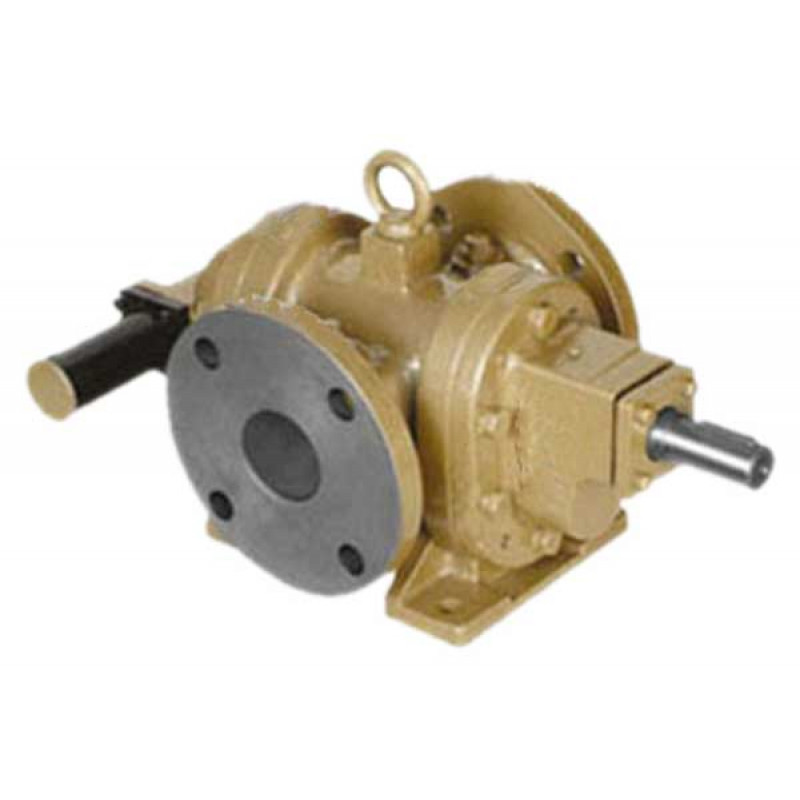
The heavy duty bitumen pump works by using rotary gears that move heated bitumen through a sealed chamber at steady pressure. This motion keeps viscous fluid flowing without backflow or clogging. Preheating ensures the material stays above solidification point during transfer but demands careful control systems alongside the pump to keep all parts within safe limits (this side-note might be overlooked sometimes).
Offered Product
